Fresh, woody fragrances. Where to start.
Compare citrus, green and aromatic directions with woody notes. Find the combination you want to explore next.
Use a family as a starting point
A broad family can narrow a search, but it cannot describe an entire fragrance. In our edit, fresh and woody is a useful way to group several options that still have distinct note profiles. Treat the label as a shelf to browse rather than a prediction of how every bottle will smell.
A fruit-led direction
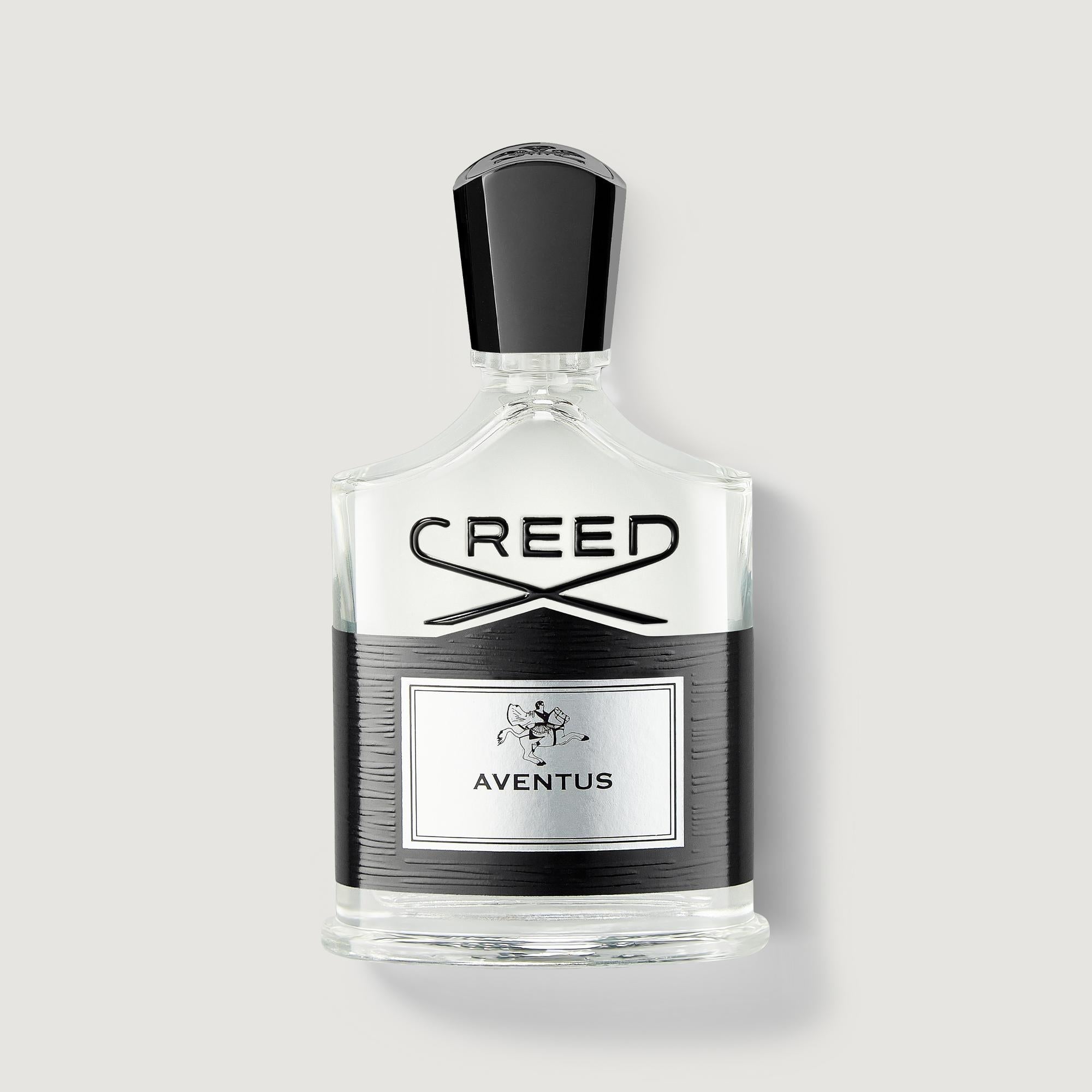
Aventus gives this comparison a bergamot opening, pineapple accord and smoky birch. If those are the details you enjoy, look for them when sampling rather than relying on the general family label.
A green or aromatic direction
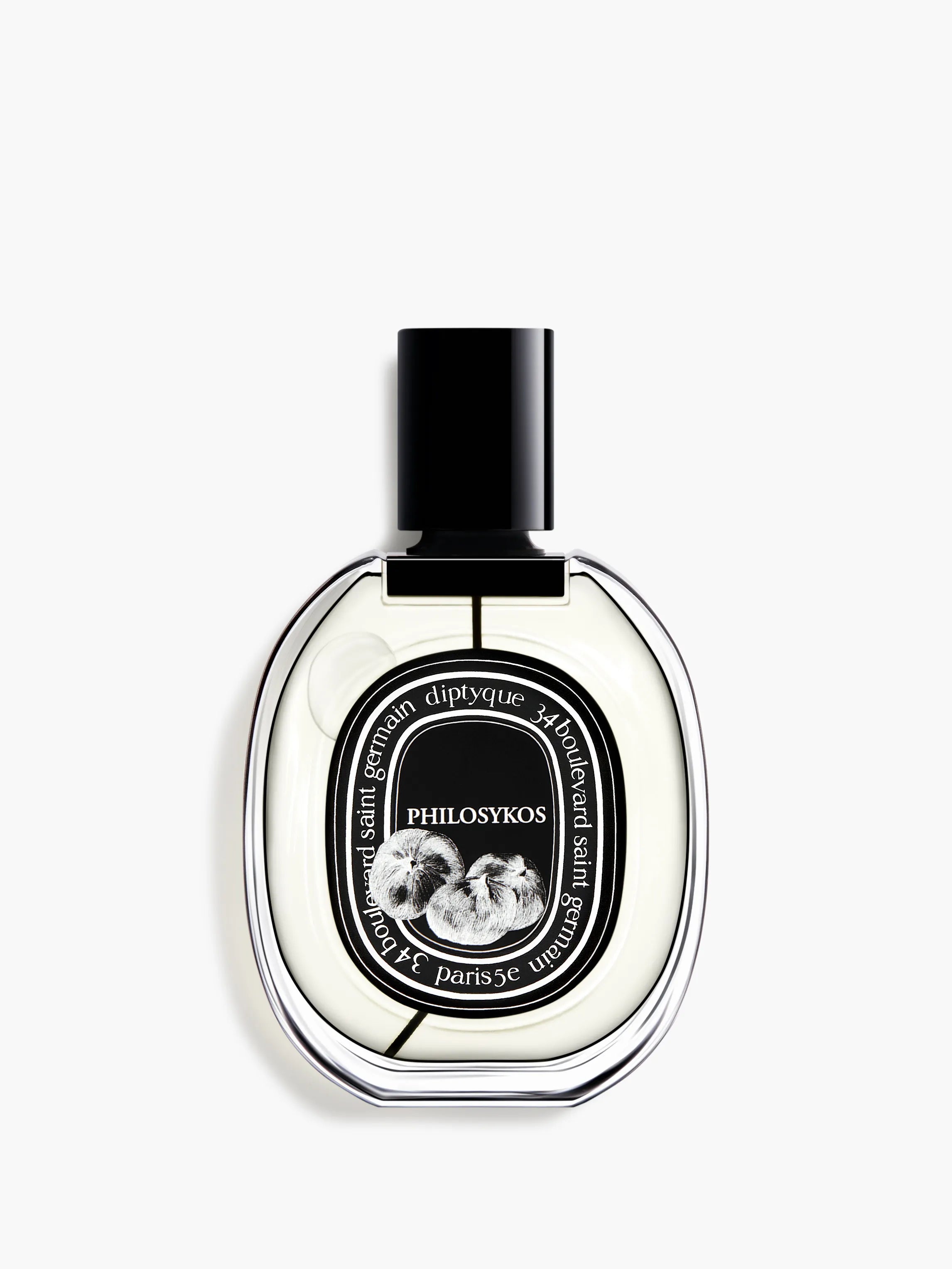
Philosykos explores fig leaves, sap and wood, with white cedar. Sedley brings spearmint and an aromatic heart into a composition with sandalwood. These are different ways to investigate freshness alongside woody notes.
Keep your comparison personal
Choose the two descriptions that sound most appealing. After trying each, record what you would reach for it to do: accompany an ordinary day, offer a change from your favourite, or explore something unfamiliar. Your wardrobe does not need one scent from every category; it needs fragrances you want to wear.
Your questions, answered.
Does fresh mean a perfume is weak?
A family label is not a performance measurement. It cannot tell you how strongly or how long a scent will wear.
Which fragrance is most like the one I own?
Start with the finder and compare shared families. Then read the note differences and try the most promising options.
PUT IT INTO PRACTICE
Explore the scents.
Aventus
Philosykos

Sedley
KEEP EXPLORING
Fragrance notes, explained. Layton vs Althaïr: what’s different? Vanilla fragrances. Find your kind.