Start with one fragrance you enjoy—and be specific
The most useful starting point is a fragrance you know. Write down what draws you to it and what you would change. “I like the vanilla, but want something less sweet” gives you a clearer direction than “I want the best perfume”. If you do not have a favourite, begin with a scent family that interests you and treat the first shortlist as exploration, not a prediction. A popular ranking can introduce names, but it cannot establish your preference.
Decide what the next bottle should do
Think about when you would reach for it. Are you replacing an everyday favourite, looking for a different evening option or adding contrast to a collection that feels repetitive? Occasion labels are personal. A scent described as an evening fragrance may be one you prefer during the day. In ScentWardrobe you can set your own roles; a missing role is a prompt to consider, not evidence that you need to buy more.
Compare the exact fragrance, not just the name
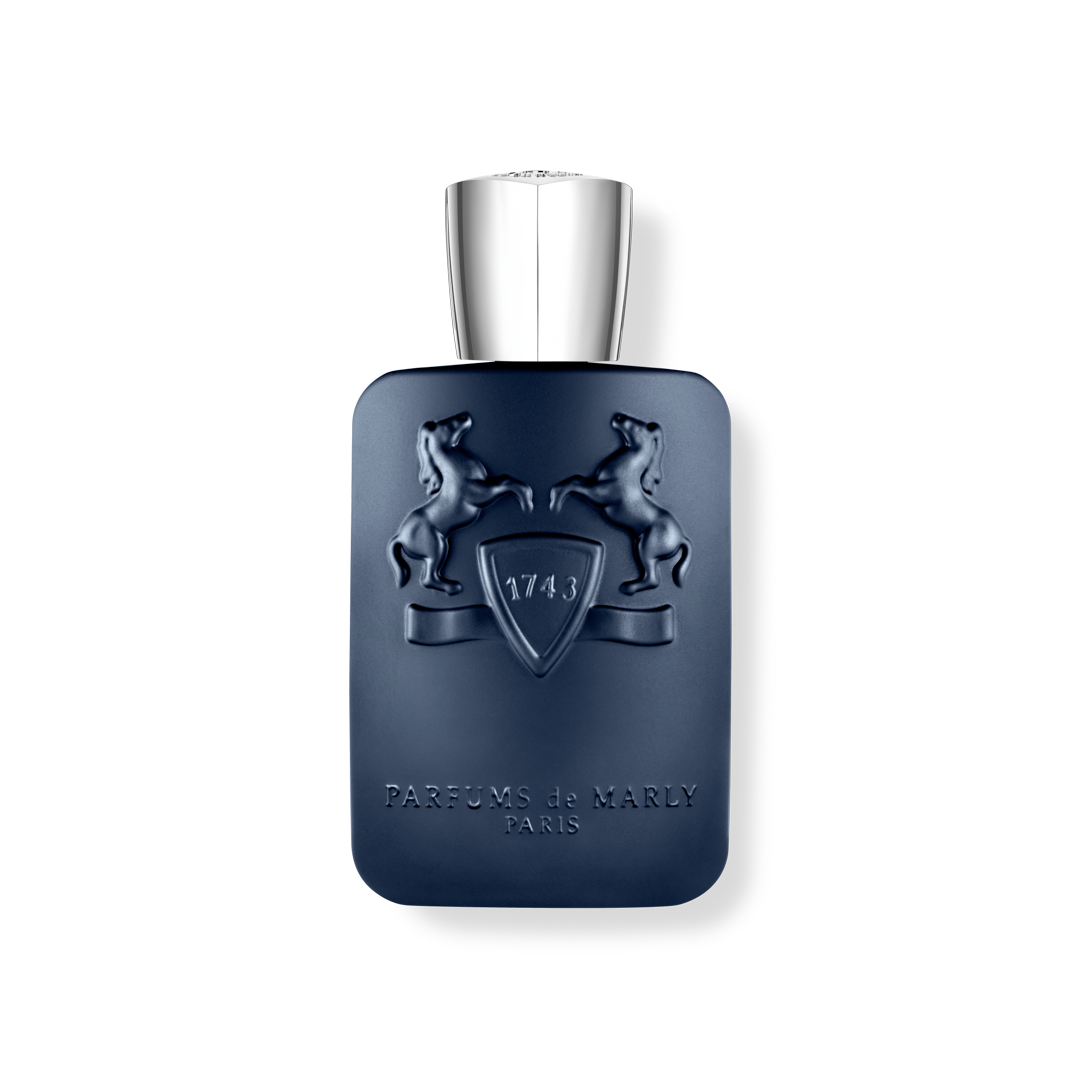
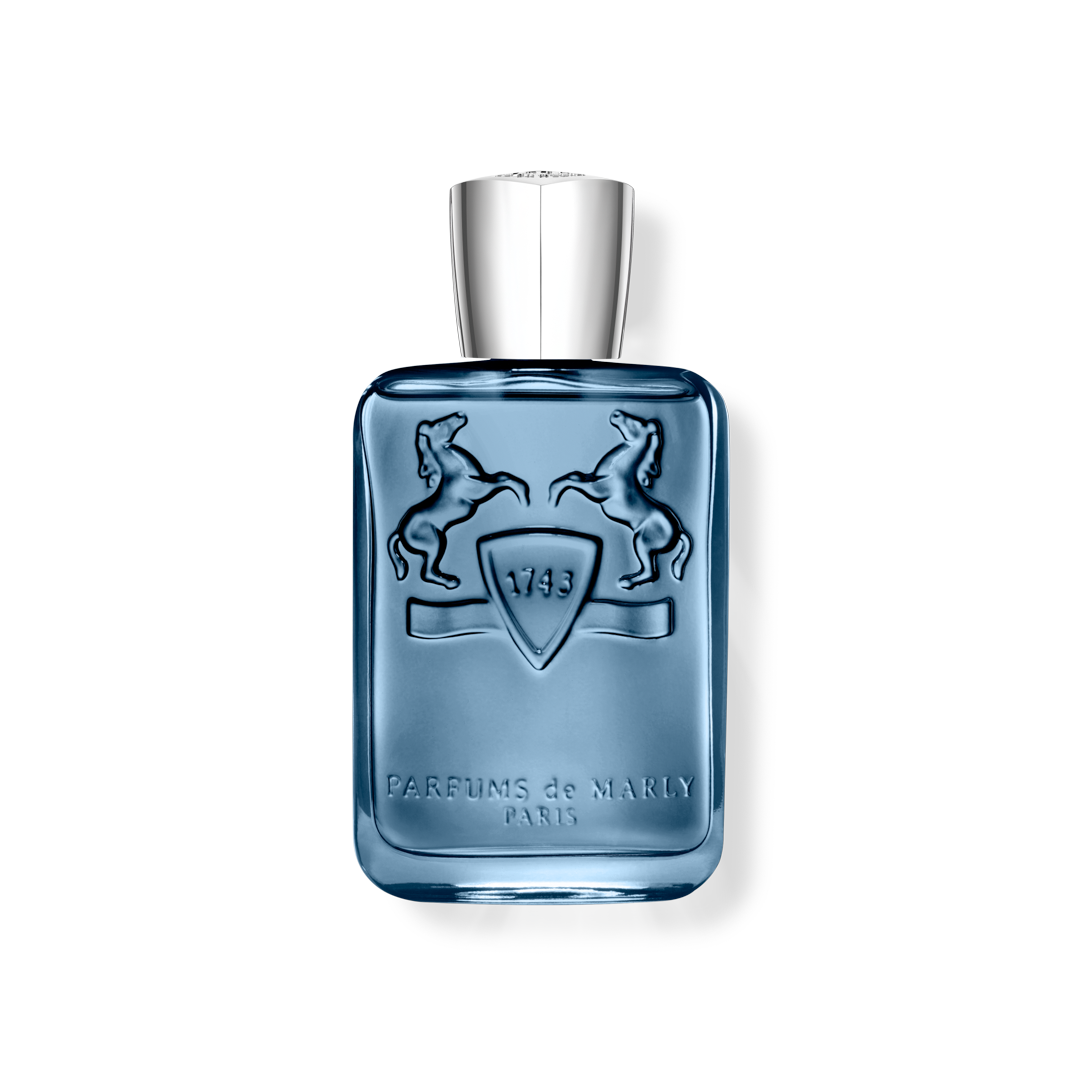
Check the house, product name and concentration on the official product page. Similar names can refer to different versions. Read the published notes for connections, while remembering that they describe impressions rather than a full formula. Layton and Sedley, for example, offer different starting points within the Parfums de Marly collection. Use the product links below to compare the house’s current descriptions rather than assuming the brand alone tells you how a bottle will feel.
Build a shortlist with a useful contrast
Keep the shortlist manageable. Choose one candidate close to what you know and another that changes a characteristic you care about. Tell the finder about notes you would rather avoid and check its interpreted summary. Do not treat missing notes as proof of missing ingredients. The current finder does not verify price, projection or longevity, so check any purchase constraints directly with the seller rather than reading them into a recommendation.
Sample, record and revisit
Where a sample or in-store tester is available, use it according to the product instructions and give yourself time to form an impression. Record what you enjoyed, what did not suit you and the occasion you would choose it for. In your Scent Profile, mark it as tried and add a Like or Not for me. That feedback is more useful than collecting a long wish list you never revisit. If none of the samples feels right, keeping the bottle you already enjoy is a valid outcome.
Common questions
Can I choose a perfume from its notes alone?
Notes can help build a shortlist. They cannot establish how you will experience the whole fragrance.
Should I buy the most popular perfume?
Popularity can suggest something to investigate, but your preferences and intended use should guide the decision.
About this guide
Editorial guidance from ScentWardrobe. Product examples refer to published house information; this is not a claim of hands-on testing.