Fragrance notes, explained.
Top, heart and base notes: a simple way to understand a scent without needing a perfume dictionary.
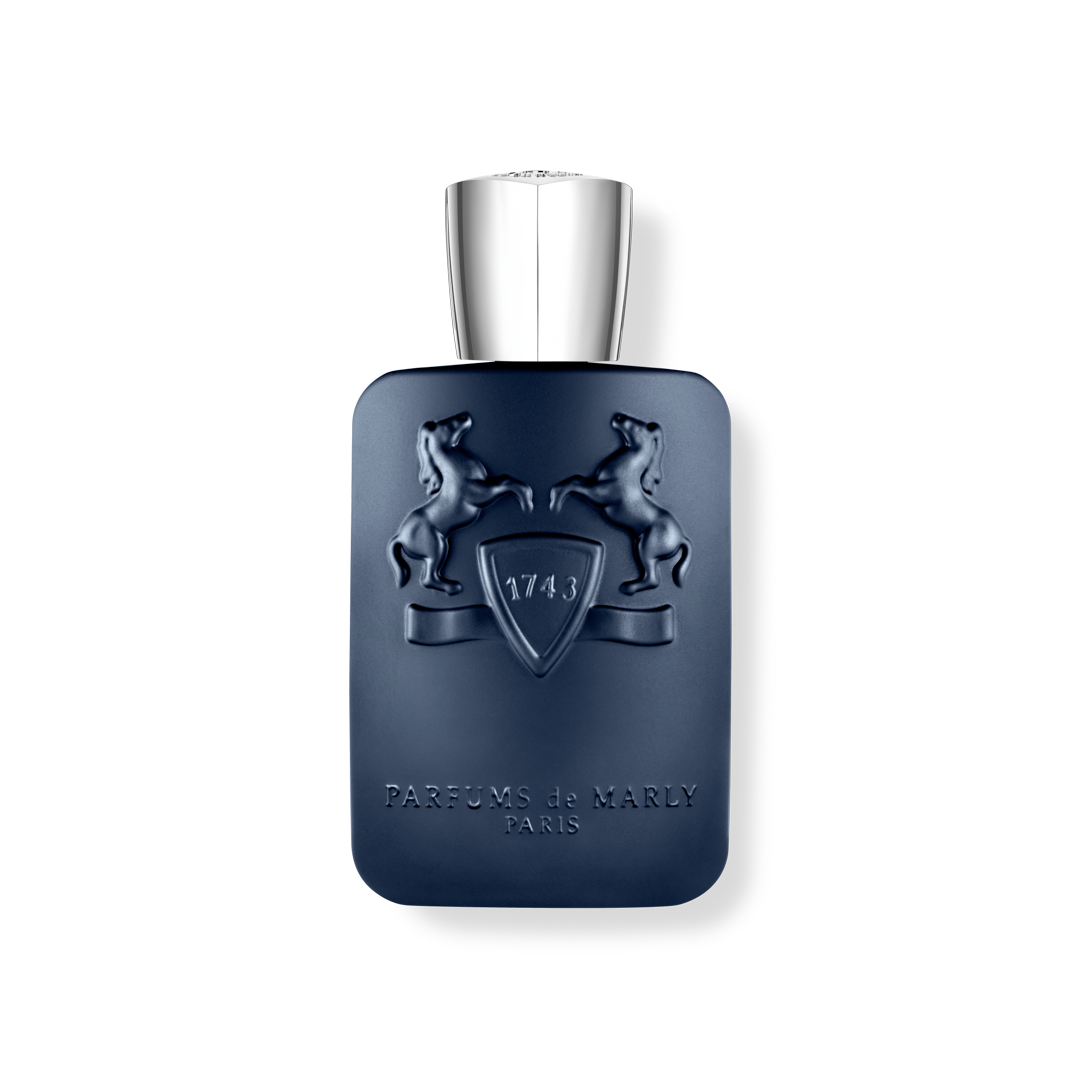
Read the shape, not a shopping list
A note is a recognisable scent impression. It may suggest a flower, fruit, wood or something more abstract. It does not tell you exactly which ingredients are in the bottle. Use the description to decide what you want to explore, then let a sample answer the personal questions.
Opening, heart and base
Top notes introduce the fragrance. Heart notes describe much of its central character. Base notes tend to persist as the fragrance develops. These layers overlap: a perfume does not switch neatly between three separate scents, and the timing is not a fixed schedule.
Not every fragrance is a pyramid
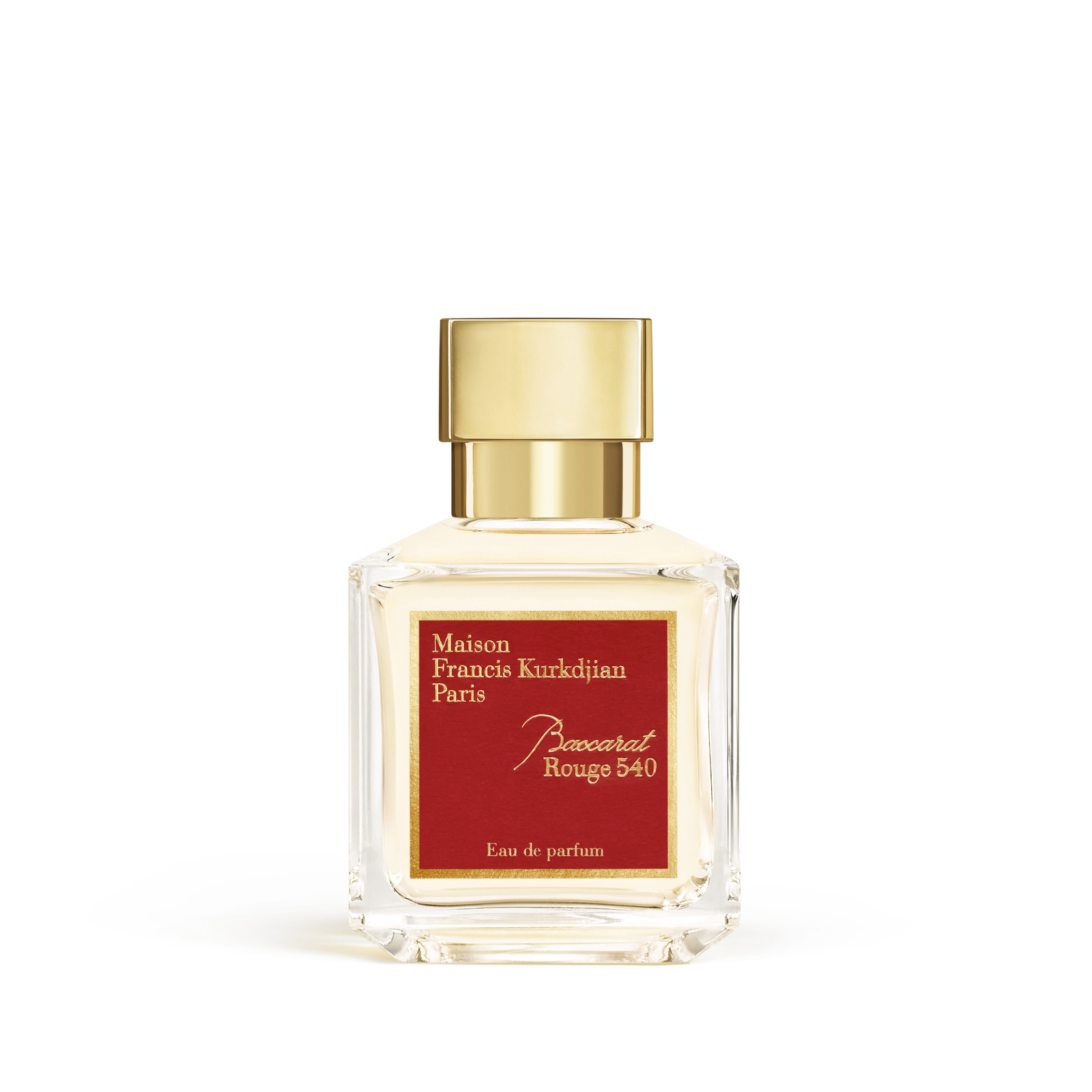
Some houses describe a perfume through facets or accords instead. Baccarat Rouge 540, for example, is presented through floral, ambery and woody impressions. Our notes display preserves that distinction rather than pretending every composition unfolds in the same way.
Make your next comparison useful
Pick one characteristic you enjoy and one you would change. If you like a fresh opening but want more warmth later, compare the base descriptions. If the opening is what matters most to you, compare those first impressions. Save two or three candidates, try them separately, and return to your notes after the initial spray.
Your questions, answered.
Are notes the same as ingredients?
No. Notes describe impressions; the ingredient list serves a different purpose.
Do matching notes mean two perfumes smell alike?
They give you a starting point for comparison. Balance and the rest of the composition can create a very different experience.
PUT IT INTO PRACTICE
Explore the scents.
KEEP EXPLORING
Layton vs Althaïr: what’s different? Vanilla fragrances. Find your kind. Fresh, woody fragrances. Where to start.